Fresh Drop
Project Overview
Fresh Drop is a production-grade hyperlocal e-commerce platform designed from the ground up for high performance. The suite consists of a Customer Ordering App, a Rider Delivery App, and a unified Admin Dashboard. By utilizing Kotlin Multiplatform (KMP), over 75% of the codebase—including network request states and serialization logic—is shared transparently between Android and iOS clients. The ecosystem is backed by a custom Ktor microservice cluster deploying secure JWT authentication, status-based order tracking, and high-performance PostgreSQL queries.
Technologies Used
📱 Mobile Interfaces
Screenshots of the customer client and rider applications, framed inside styled smartphone bezels. Click any screen card to open in fullscreen preview.
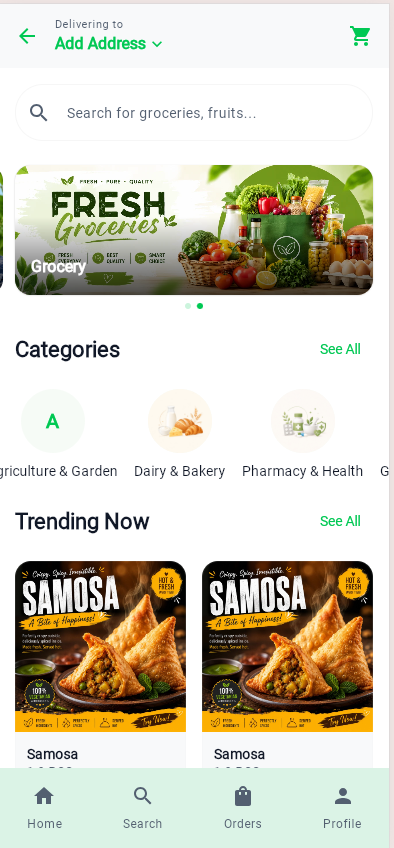
Customer Ordering Flow
Hyperlocal store listings page with fast category filters and catalog paging.
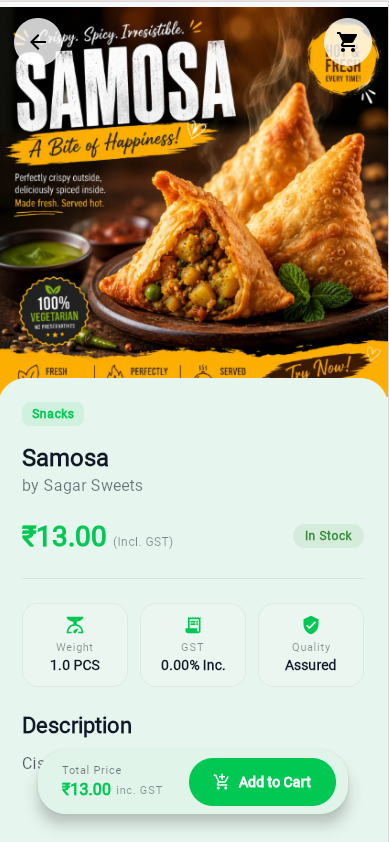
Shopping Basket & Checkout
Type-safe calculations of items, delivery addresses, and discount vouchers.
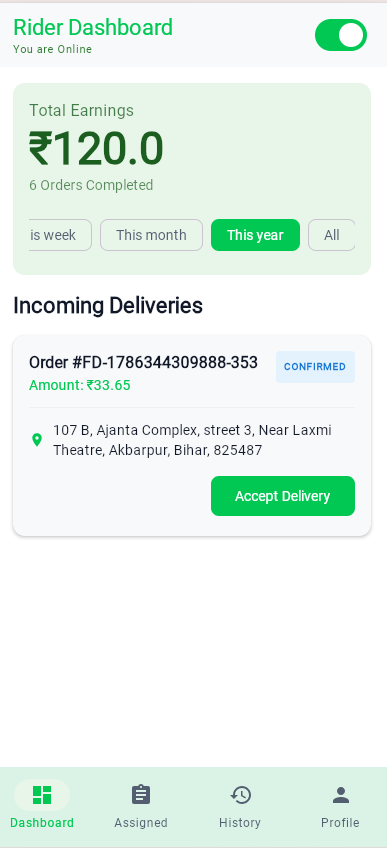
Rider Delivery Task Card
Active rider task dashboard showing order lists with status-based delivery tracking.
💻 Desktop and Web Dashboard
Management dashboards and operational screens displayed inside web browser mockup frames. Click any screen card to open in fullscreen preview.
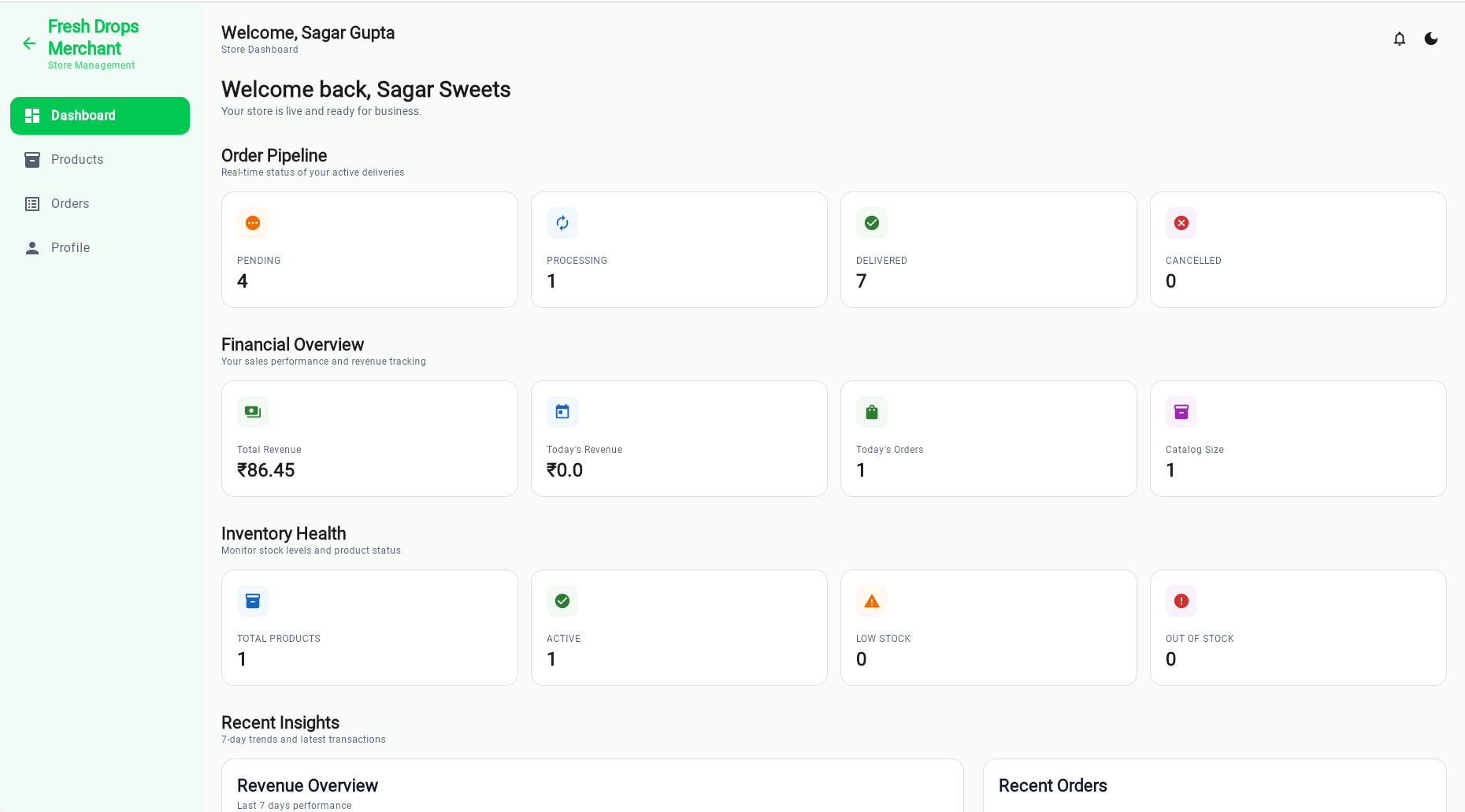
Admin Overview Dashboard
Consolidated overview of stores performance, revenue tracking, and order stats.
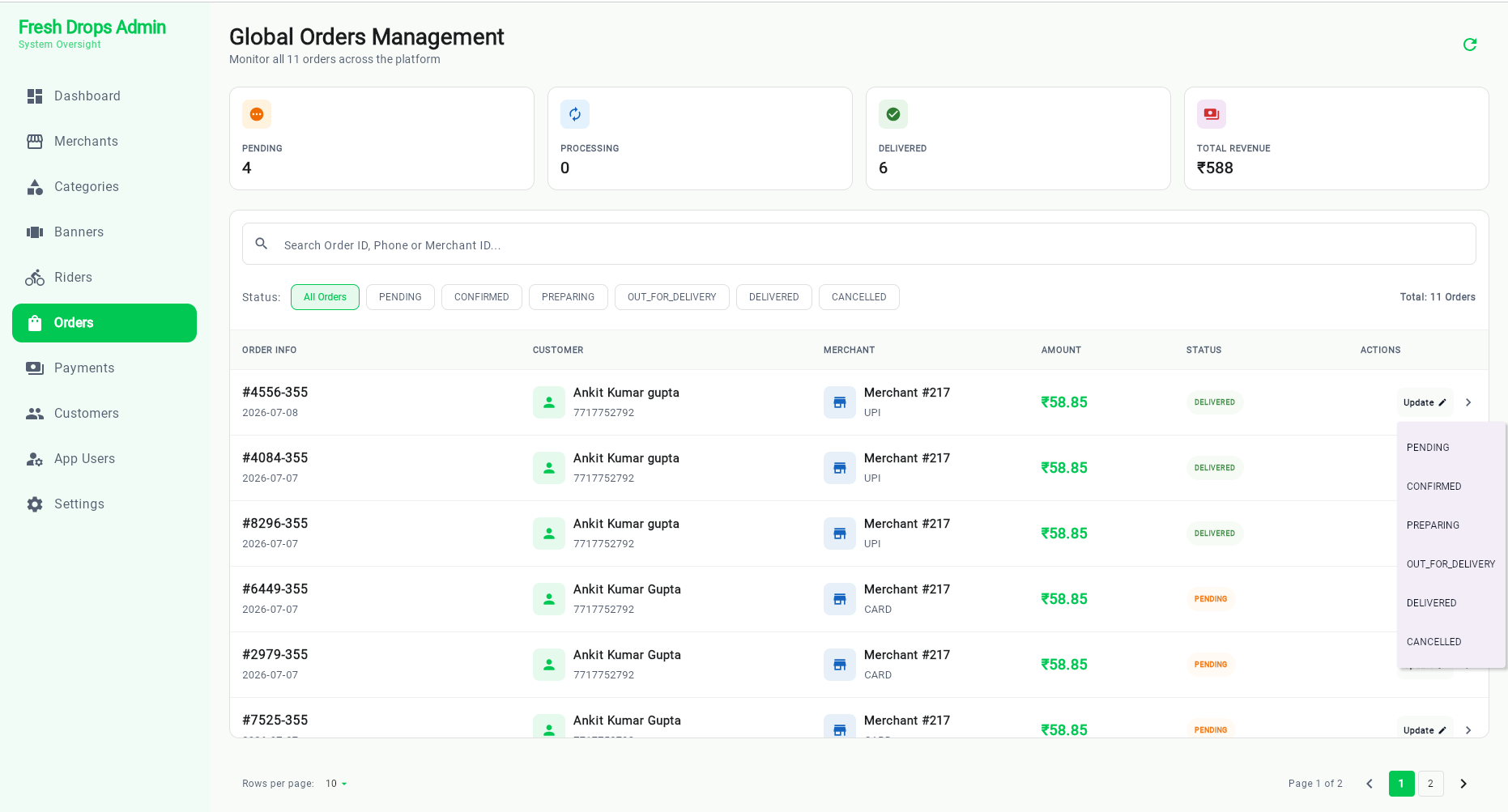
Orders Monitoring Hub
Real-time order state transition tables with filtering and custom status controls.
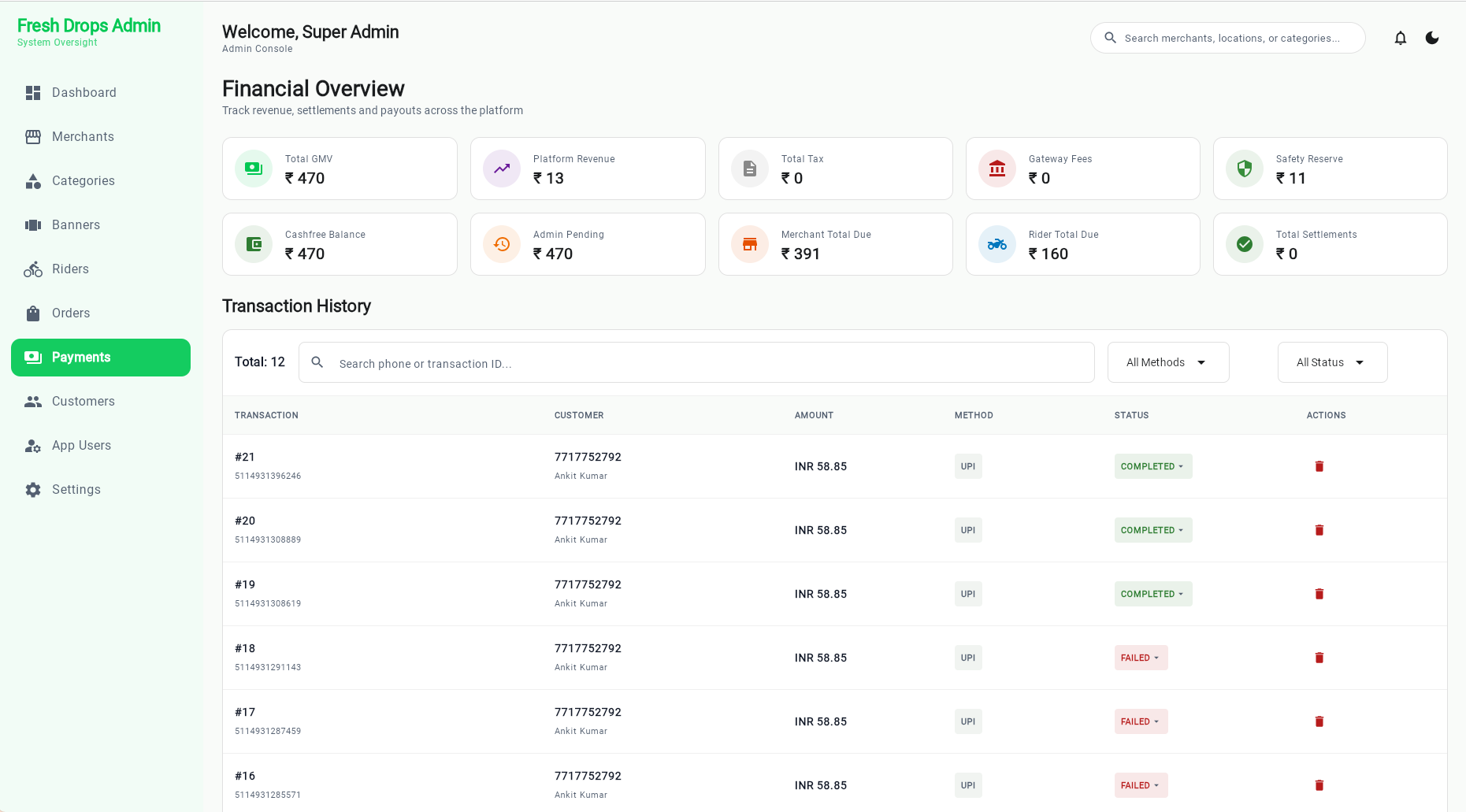
Transactions Log Panel
Detailed payment gateway status reports, charge logs, and billing invoices.
⚙️ Kotlin Multiplatform Architecture
Kotlin shared models and server database models displayed inside IDE code editors. Click any screen card to open in fullscreen preview.
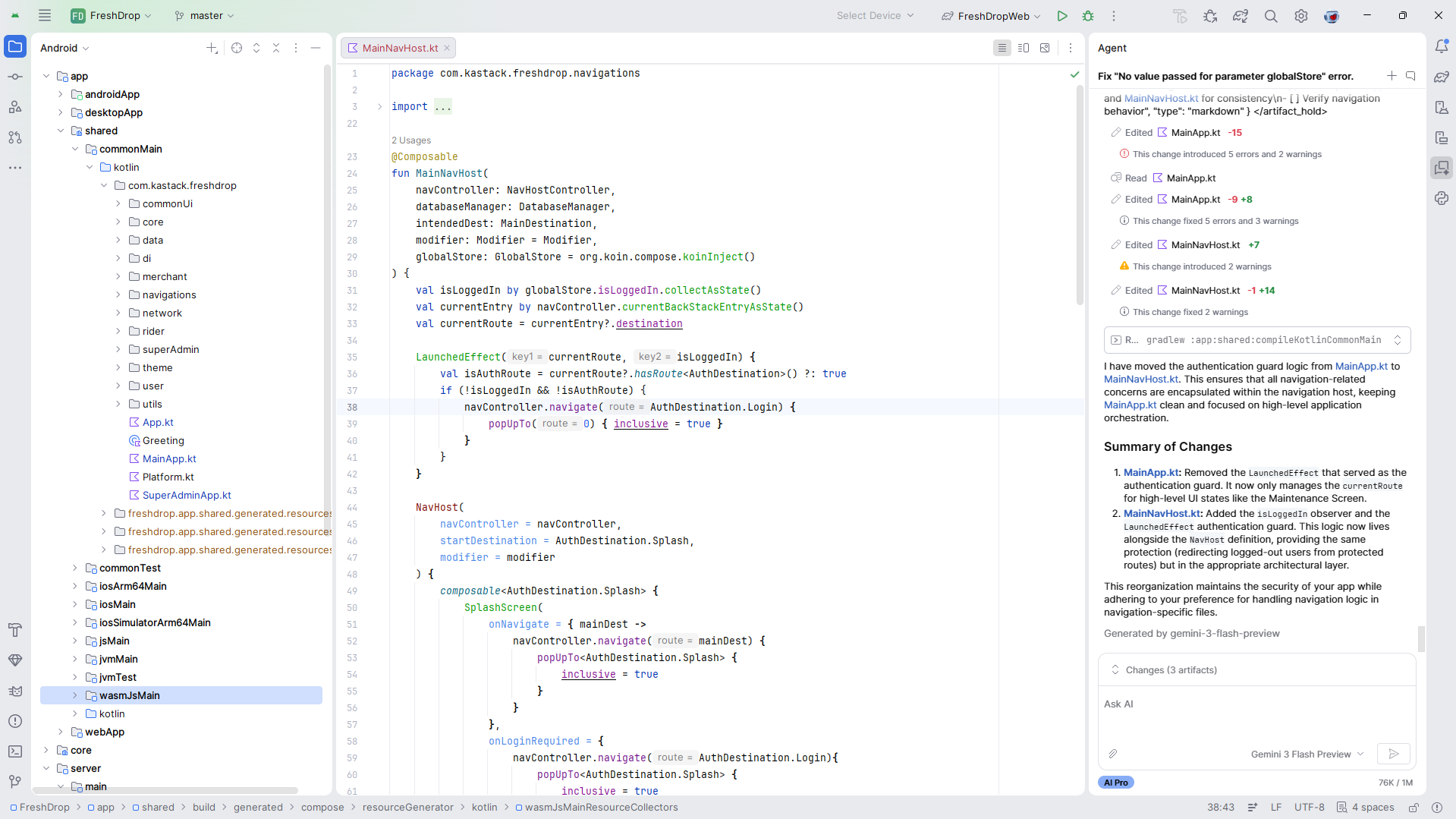
shared model
Shared Kotlin Multiplatform models and serialization schemas shared between client layers.
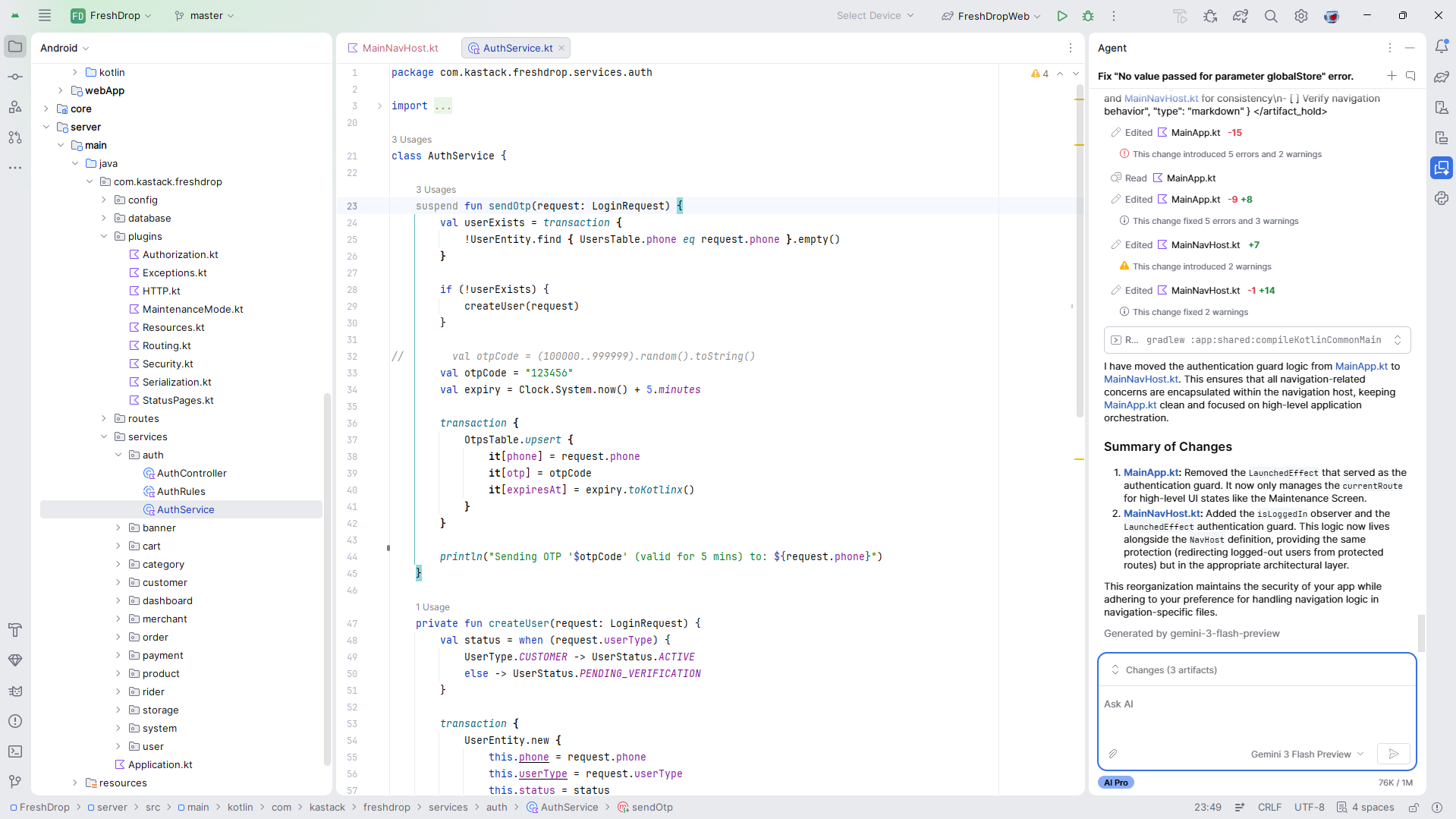
server model
Server database model mappings establishing database relations and data serialization rules.
⚙️ Case Study Breakdown
A granular review of the technical challenges, architecture specifications, and tradeoffs made during implementation.
1. Project Overview
Fresh Drop is a hyperlocal e-commerce product suite including ordering, rider delivery coordination, and an admin operations platform. Over 75% of client business rules are shared across iOS and Android.
2. The Problem
Hyperlocal retail demands real-time order state updates and delivery location streaming. Launching separate Swift and Kotlin codebases risked data model drift, layout delays, and doubled development timelines.
3. My Role
I was the lead system architect and software engineer responsible for constructing the Kotlin Multiplatform shared logic library, Compose Multiplatform client views, and the server microservices using Ktor with PostgreSQL.
4. Technical Challenges
Managing concurrent updates for cart checkouts, delivery pricing, and location streams while keeping native thread safety consistent on both iOS (with native threads) and Android (Coroutines JVM).
5. System Architecture
We implemented clean, unidirectional data flows (MVI/MVVM) inside the common module. The UI layers are pure views that subscribe to state flows emitted by the shared core engines.
6. Kotlin Multiplatform Usage
Shared logic covers networking (Ktor client), persistence caching schemas (SQLDelight), credentials store validation, and order routing mathematics, compiled to native frameworks.
7. Shared Code Details
Model definitions, JSON parsers, database access tokens, and transactional status transition checks are 100% unified in the KMP `commonMain` codebase.
8. Platform-Specific APIs
Mapped device capabilities by declaring expect/actual interfaces. Injected Apple CoreLocation (on iOS) and Google FusedLocation (on Android) to stream coordinate buffers.
9. Key Decisions
Deployed Cloudflare R2 for decentralized image delivery to optimize catalog speeds, and chose Ktor server websockets over standard REST for real-time order tracking.
10. Tradeoffs & Challenges
While Compose Multiplatform was used for core UI layers, we preserved native SwiftUI bindings on complex native iOS controls to ensure 120Hz scrolling smoothness on older iOS devices.
11. Execution Results
Achieved over 75% client-side code reuse, shortened product launch cycles by 40%, and enabled bug fixes to deploy across both platforms via a single shared core repository update.
12. Key Lessons Learned
Ensure that memory model behaviors, particularly regarding frozen state rules in earlier Kotlin/Native compiler versions, are thoroughly tested across different target environments.